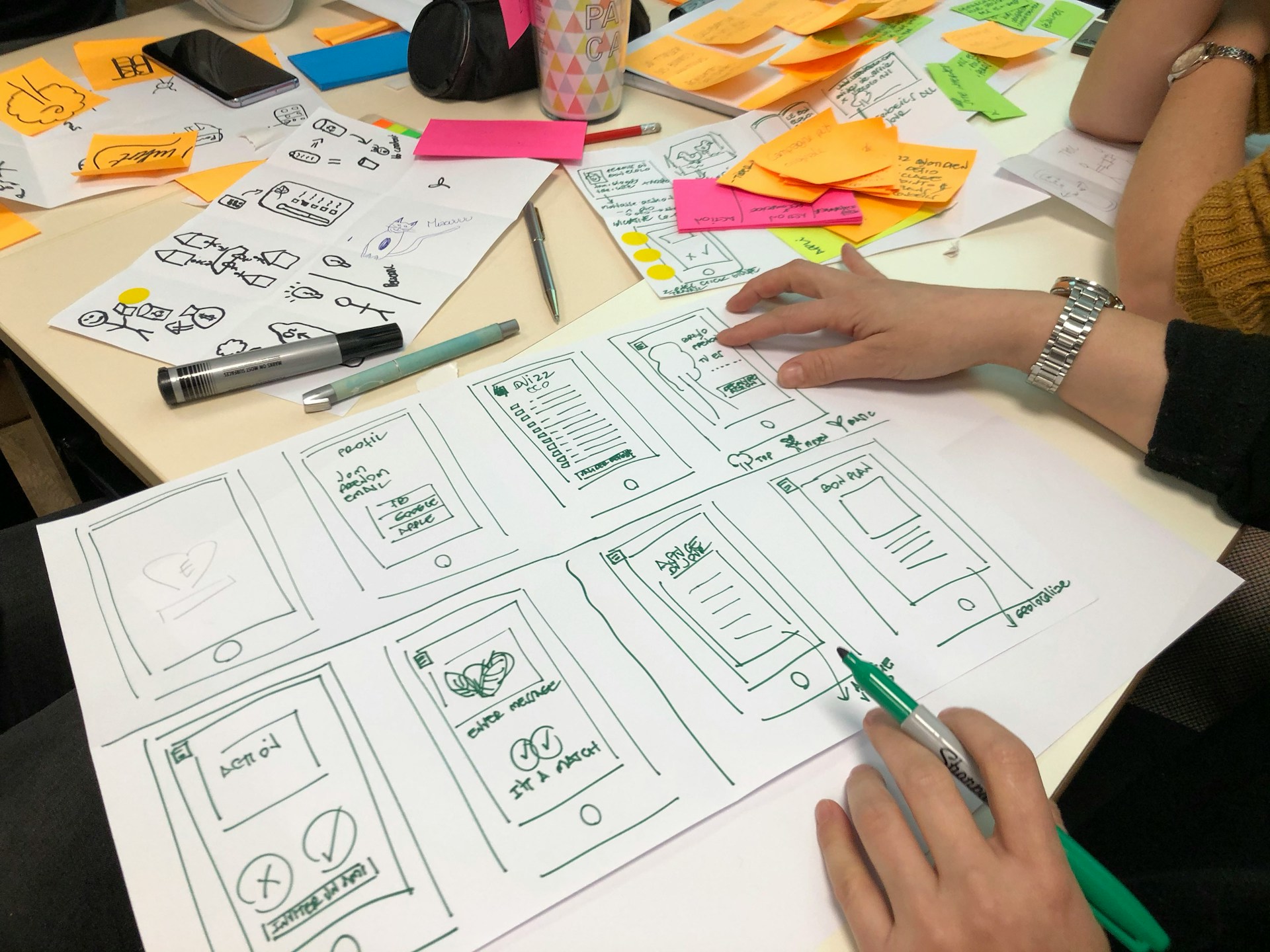
Minimalist design isn’t just about aesthetics—it’s about creating cognitive ease for users. When we strip away unnecessary elements, we reduce decision fatigue and allow users to focus on what truly matters. The best interfaces feel invisible, guiding users through their journey without demanding attention.White space serves as a visual pause, giving our brains time to process information. Studies show that cluttered interfaces increase stress levels and decrease task completion rates. By embracing minimalism, designers create environments where functionality shines through clarity. Every element earns its place on the screen
White space serves as a visual pause, giving our brains time to process information. Studies show that cluttered interfaces increase stress levels and decrease task completion rates. By embracing minimalism, designers create environments where functionality shines through clarity. Every element earns its place on the screen.
Modern minimalism goes beyond the stark white backgrounds of early trends. Today’s designers layer subtle textures, thoughtful micro-interactions, and purposeful color accents to create warmth within simplicity. The goal remains the same: respect the user’s attention and make their experience effortless.

Leave a Reply